Introduction
Exploring the ever-present rivalry between iOS and Android reveals crucial insights into smartphone choices. Though both systems offer unique advantages, iOS consistently prevails in delivering a superior user experience. With an emphasis on seamless integration and top-tier security, Apple continues to lead the way. This article delves into various aspects that highlight iOS’s edge over Android, providing a clear understanding of user preferences.
Superior User Experience and Design
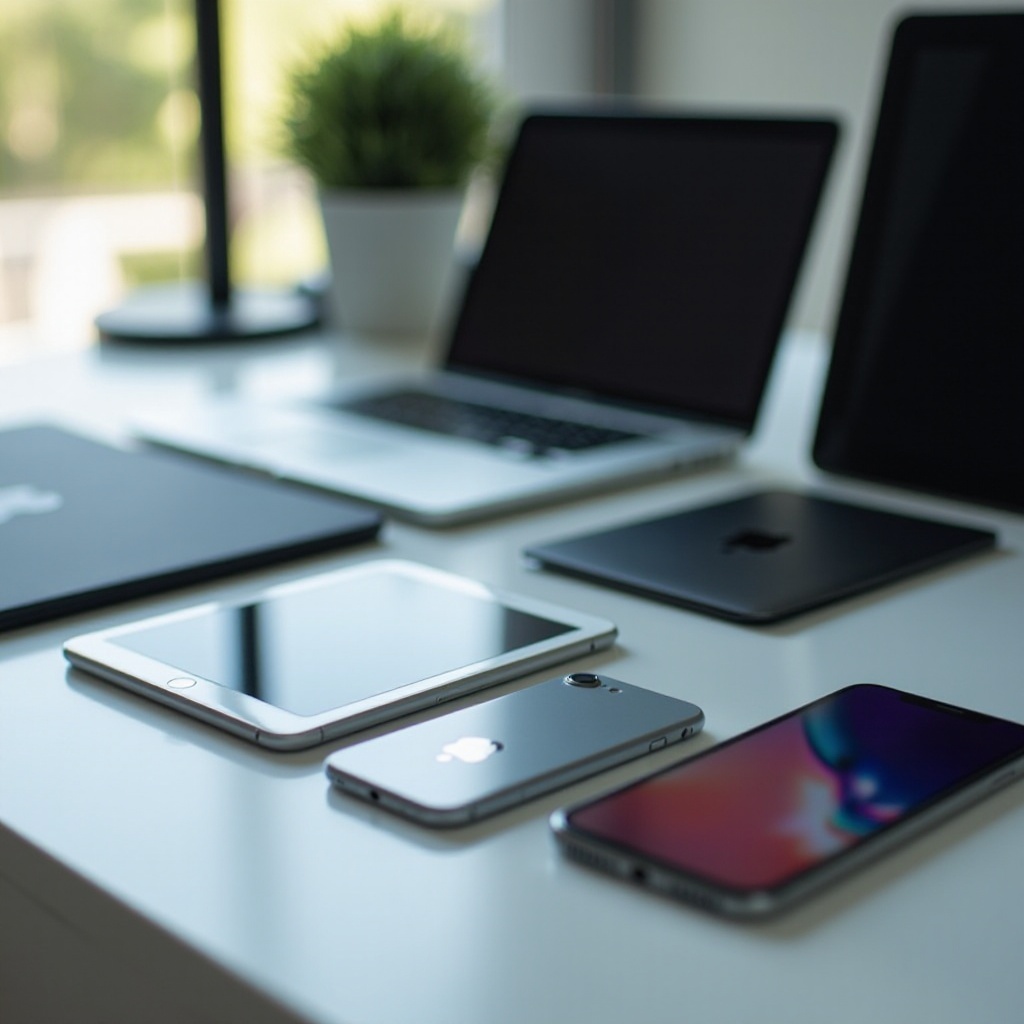
Apple’s dedication to user experience is a significant reason iOS resonates with so many. It starts with consistency across devices, ensuring that whether you’re on an iPhone or an iPad, the interface feels familiar and cohesive. This commitment to streamlined design ensures users can navigate effortlessly.
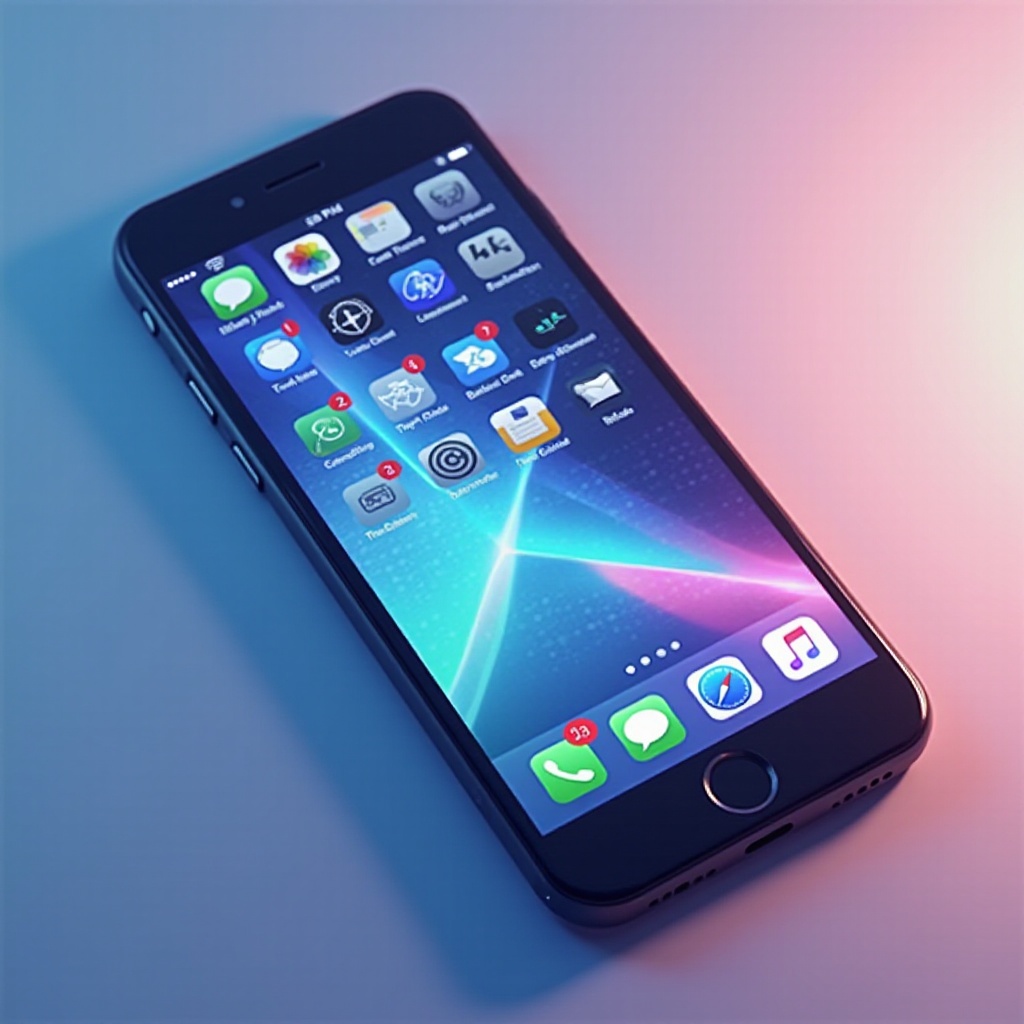
The simplicity of iOS’s user interface is one of its defining features. Icons are clear, with a minimalistic style that favors user engagement without overwhelming the senses. This consistency enhances usability, allowing even those new to technology to adapt quickly.
Enhanced Security and Privacy
Following the elegant design, security, and privacy become defining features of iOS’s attraction. Apple’s robust built-in security measures set a high standard in the industry. Technologies like Face ID and Touch ID secure devices efficiently, offering peace of mind to users.
Apple’s privacy-first philosophy further differentiates iOS. Strict app permissions, app tracking transparency, and data encryption are hallmarks of their approach. While Android has made security improvements, Apple’s proactive strategies and policies remain a leader in privacy protection.
Seamless Integration with Apple Ecosystem
Leaving security, we venture into Apple’s exceptional ecosystem integration. One of Apple’s most compelling advantages is its cross-device functionality, creating a harmonized experience across iPhones, iPads, and Macs.
Services like Handoff, AirDrop, and Continuity facilitate seamless transitions between devices. For instance, beginning an email on your iPhone and continuing it on your Mac becomes a fluid process. This level of integration not only offers convenience but also maximizes productivity.

Quality and Curated App Store
From integration, we shift focus to the App Store, where quality is king. Apple’s curated app review process ensures high standards, minimizing malware and low-quality applications. This diligence starkly contrasts with the more lenient criteria seen on Android’s Play Store.
Moreover, iOS often secures the latest app versions first. Developers frequently prefer iOS’s lucrative user base, leading to the availability of premium apps and early releases, giving iOS users an edge in app experiences.
Reliable Updates and Long-Term Support
Concluding with updates and support, iOS showcases exceptional reliability. Apple’s control over both hardware and software enables synchronized software updates across devices. This uniformity ensures that iPhone users receive the latest features and security improvements simultaneously.
Furthermore, Apple supports its devices with updates for several years, emphasizing long-term value. This contrasts with the fragmented nature of Android updates, where inconsistency often results in outdated software on older devices. Apple’s commitment ensures even older models maintain relevance and performance.
Conclusion
Ultimately, iOS excels in providing a cohesive, secure, and engaging user experience. Its advantages span superior design, robust security features, seamless integration, app quality, and consistent updates. Despite Android’s flexibility, the comprehensive ecosystem and user-centric innovation embedded within iOS resonate with users globally. Choosing iOS not only connects users with cutting-edge technology but also integrates them into an ecosystem that promises reliability and excellence.
Frequently Asked Questions
What makes iOS more secure than Android?
iOS is designed with closed-source architecture, regular updates, and stringent App Store policies, all of which contribute to enhanced security compared to Android.
Are there exclusive features in iOS that Android doesn’t have?
iOS offers exclusive features like FaceTime, iMessage, and AirDrop, which integrate seamlessly with other Apple devices and enhance the user experience.
How does Apple ensure app quality compared to Android?
Apple’s App Store employs a rigorous review process that vets apps for quality and security before approval, ensuring high app standards relative to Android’s Play Store.