Introduction
Microphones, an essential part of audio devices, capture sound with precision. Yet, many users question their durability and performance over time. Do microphones really get worse? We’ll explore the factors causing deterioration, signs of wear, and steps to extend their lifespan. Additionally, we’ll guide you on deciding when to repair or replace them.

Understanding Microphone Technology
Microphones work by converting sound into electrical signals – a core process for audio reproduction. This technology’s intricacies explain why microphones might degrade over time.
Types of Microphones Commonly Used
The most frequently used microphones in headphones are dynamic and condenser types. Dynamic microphones are durable, utilizing a diaphragm attached to a coil in a magnetic field. In contrast, condenser microphones are praised for sensitivity and precision, using a capacitor for sound capture. The choice significantly impacts long-term performance.
How Microphones Capture Sound in Headphones
Microphones operate by moving a diaphragm when sound waves hit it, creating an electrical signal. Over time, this mechanism can be compromised if parts wear down. Understanding this helps in identifying where failures may occur.
Understanding technology provides clarity on potential degradation, leading us to consider various impacting factors.
Factors Contributing to Microphone Degradation
Despite their robust design, microphones can succumb to wear and environmental factors, which influence their longevity.
Mechanical Wear and Tear
Over time, the repetitive mechanical actions within a microphone can lead to stress and fatigue. Components like diaphragms and coils deteriorate, resulting in reduced sound capture efficiency and increased distortion.
Environmental Influences (Heat, Moisture, Dust)
Environmental conditions significantly impact microphones. Exposure to extreme temperatures, humidity, or dust can breach protective housing, damaging sensitive parts like diaphragms and circuitry. Corrosion often ensues from prolonged exposure.
Impact of Usage Frequency
Frequency of use directly affects a microphone’s lifespan. The more you use it, the faster it could wear out. This factor proves critical to understanding and forecasting maintenance needs.
Recognizing these factors forms a foundation for identifying microphone issues early.
Identifying Signs of a Deteriorating Microphone
Early recognition of degradation signs ensures continued audio quality and functionality.
Common Audio Quality Issues
An indicator of a degrading microphone includes poor audio quality characterized by crackling, static noise, or diminished clarity. Such anomalies suggest component failure within the microphone.
Symptoms of Microphone Failure
A more conspicuous symptom of failure includes diminished output volume or operational inconsistency. Absence of sound or intermittent function often flags critical deterioration.
Catching these signs early enhances the opportunity for effective intervention.
Maintenance Tips for Prolonging Microphone Life
Maintenance efforts greatly impact a microphone’s lifespan and efficiency. Let’s explore effective practices you can incorporate.
Proper Storage Techniques
- Store your microphones in a cool, dry environment to safeguard against moisture and heat damage.
- Use cases or pouches for dust protection and shock absorption.
Regular Cleaning and Maintenance
- Regularly dust your microphones using a soft cloth to remove accumulated debris.
- Periodically check and tighten parts to ensure operational integrity.
Handling and Usage Best Practices
- Avoid dropping microphones; physical shocks can damage internal structures.
- Employ pop filters to minimize sound pressure, reducing diaphragm stress.
Implementing these measures not only prevents early degradation but ensures sustained performance.
Technological Innovations in Microphone Durability
Advancements in microphone technology continuously address wear and durability concerns. Newer models use enhanced materials and designs to withstand environmental stress better. Pioneering companies evolve their technology to ensure microphones endure even under challenging conditions, offering users extended and reliable performance.
These developments inform replacement and repair choices.
When to Repair or Replace Your Microphone
Understanding when to act enhances microphone longevity and performance.
Evaluating Cost vs. Benefits
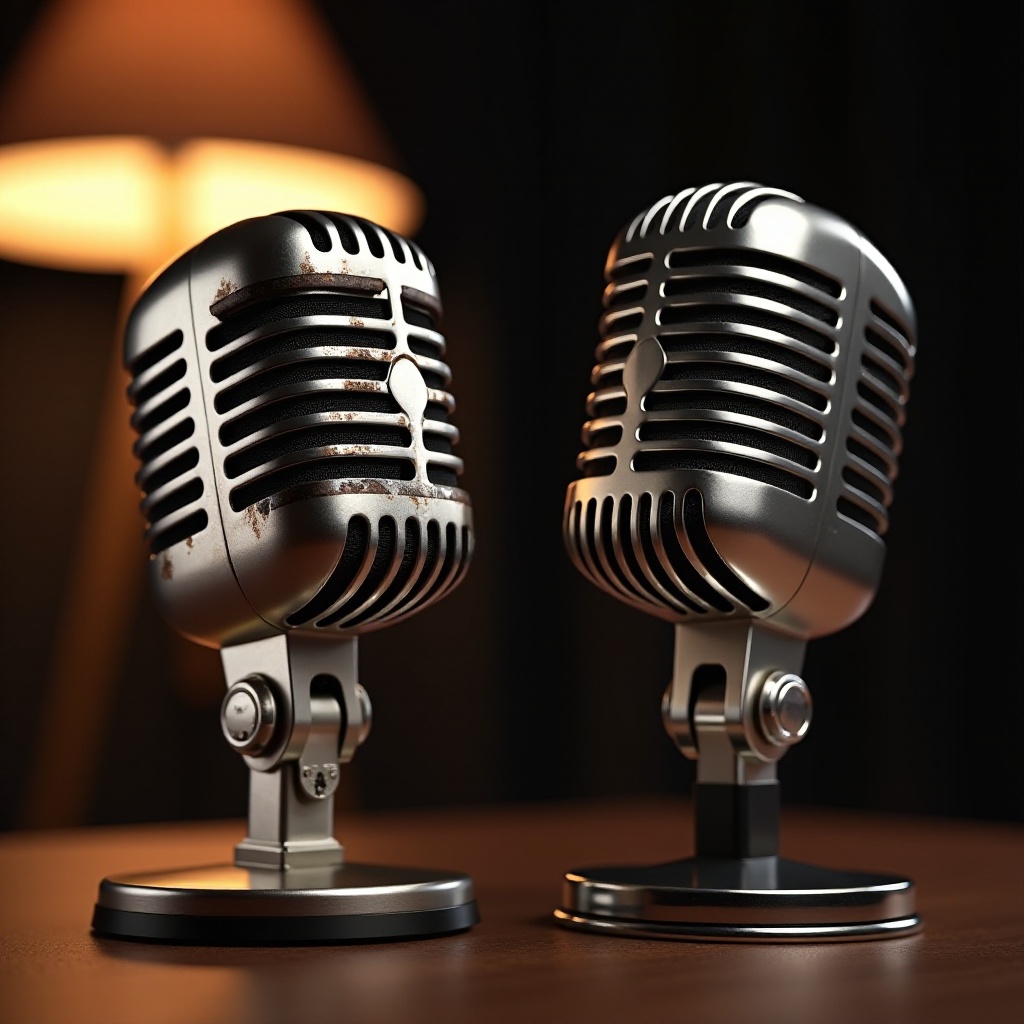
Consider repair when it’s affordable and adds significant life extension. Repeated repairs, however, might signal the need for upgrades.
Advances in Replacement Options
Modern microphones offer enhanced durability and features. Investing in new technology often brings better performance and increased longevity compared to older models.
Balancing these considerations ensures quality audio capture and device reliability.
Conclusion
Microphones, while durable, face inevitable degradation due to environmental and mechanical factors. Understanding the technology behind them, recognizing deterioration signs, and applying maintenance tips can help maintain their performance. Keeping up with technological innovations also ensures access to more durable replacements, allowing you to make informed repair or replacement decisions.
Frequently Asked Questions
How long do microphones typically last in headphones?
Most headphone microphones maintain optimal performance for three to five years. Proper care can extend this timeframe.
Can environmental factors significantly affect microphone performance?
Yes, factors like humidity, temperature, and dust can adversely impact microphone components, leading to degradation over time.
Are there signs that indicate it’s time to replace my microphone?
Consistent issues like crackling, reduced volume, or complete failure suggest it’s time for replacement.