Introduction
Finding the right TV antenna in rural wooded areas can transform your viewing experience. Dense forests and distance from broadcast towers typically impede signal reception, affecting your access to preferred channels. This guide not only highlights the best TV antennas for such environments but also offers advice on installation, resolving reception issues, and keeping your signal strong consistently.
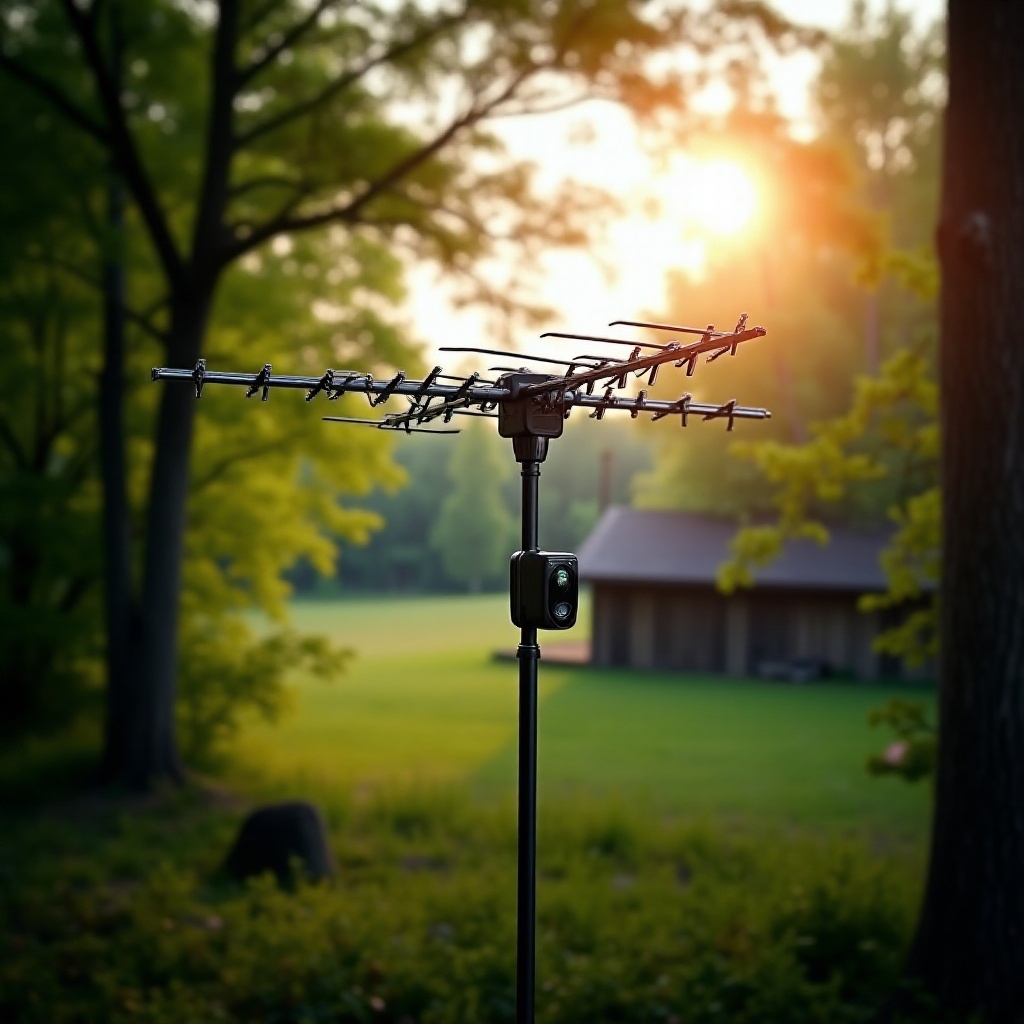
Understanding the Challenges of TV Reception in Rural Wooded Areas
For those surrounded by nature, enjoying robust TV signal reception presents unique challenges. Natural obstructions like trees and hills, along with the extended distance from urban broadcast centers, can degrade signal quality. Understanding these challenges is crucial for selecting an antenna that effectively mitigates them.

Types of TV Antennas for Rural Areas
Selecting the optimal type of antenna is vital for reliable TV reception in wooded, rural areas. Here are the main types to consider:
Outdoor vs. Indoor Antennas
Outdoor antennas generally provide superior reception as they can be installed at elevated locations, reducing indoor interferences. While more susceptible to weather wear, they offer extended ranges. On the other hand, indoor antennas are convenient and easy to set up but typically have shorter ranges and are more affected by indoor obstructions.
Directional vs. Omnidirectional Antennas
Directional antennas concentrate all their power in one direction, ideal when most channels are sourced from the same area. Conversely, omnidirectional antennas receive signals from all directions, making them ideal when broadcast towers surround the region.
Essential Features of a Quality TV Antenna
When seeking the best TV antenna, particularly for rural areas, certain features are indispensable:
Range and Frequency Bands
Given the distance from broadcast towers, it is important to opt for a long-range antenna. Aim for antennas with at least a 70-mile range and ensure they cover both UHF and VHF bands to access a broad spectrum of channels.
Signal Amplification
Antennas equipped with built-in amplifiers can enhance weak signals before any transmission losses through cables occur. This feature is beneficial for improving reception where interference is high or distances from towers are significant.
Top 5 TV Antennas for Rural Wooded Areas in 2024
After understanding essential features, consider these top recommended antennas for 2024:
-
ClearStream 4MAX UHF/VHF Antenna – This antenna offers an excellent range and supports multiple TV sets effectively.
-
Winegard Elite 7550 – Known for its 70-mile range, it is designed to endure harsh environmental conditions.
-
Antennas Direct 8-Element Bowtie – Delivers robust performance, making it ideal for extreme rural conditions.
-
RCA Yagi Series Antenna – Renowned for superior reception, even in densely wooded landscapes.
-
GE Pro Outdoor Yagi Antenna – Balances durability with signal strength, perfect for varied rural settings.

Installation Tips for Rural Areas
Upon selecting the right antenna, proper installation is key to maximizing its function:
Ideal Placement and Height
Install the antenna as high as possible—on the roof or an elevated pole—to avoid obstructions from buildings and trees. Aim for the clearest line of sight to broadcast towers whenever feasible.
Avoiding Common Obstructions
Avoid placing the antenna near metals, which can cause signal reflection, and keep away from thick walls or large trees that absorb signals.
Troubleshooting Common Reception Issues
Even top-tier antennas face reception issues. Here’s how to troubleshoot effectively:
Weather-Related Issues
Severe weather such as rain or storms can weaken signals. Consider adding a weatherproof cover to your antenna or adjust its orientation to maintain reception during adverse conditions.
Signal Interference from Trees
If thick canopies obstruct reception, trim branches, or relocate the antenna to a more open area.
Equipment and Cabling Problems
Check cables for wear and ensure secure connections. Replacing outdated cables with high-quality coaxial cables can substantially reduce signal loss.
Conclusion
Selecting the right TV antenna for rural wooded areas involves understanding environmental challenges, choosing a quality product, and installing it properly. With these steps, you can enjoy clear reception throughout the year, enhancing your viewing experience significantly.
Frequently Asked Questions
Can weather affect my TV antenna reception?
Yes, adverse weather such as heavy rain or storms can disrupt signal reception by causing interference or blocking the line of sight to broadcast towers.
What is the difference between UHF and VHF antennas?
UHF antennas are designed for ultra-high frequency signals, while VHF antennas capture very high frequency signals. Access to both is necessary for a wide range of channels.
How often should I check my antenna’s alignment?
Regular checks each season help ensure proper alignment. Adjustments may be needed more frequently following severe weather conditions.