Introduction
Vinyl records captivate audiences with their unparalleled sound quality and nostalgic charm. Understanding what makes a record player good is essential when diving into this analog medium. This guide explains the components and features that separate high-quality record players from the rest, providing clarity for both newcomers and veterans of the vinyl revival.
Key Components of a Record Player
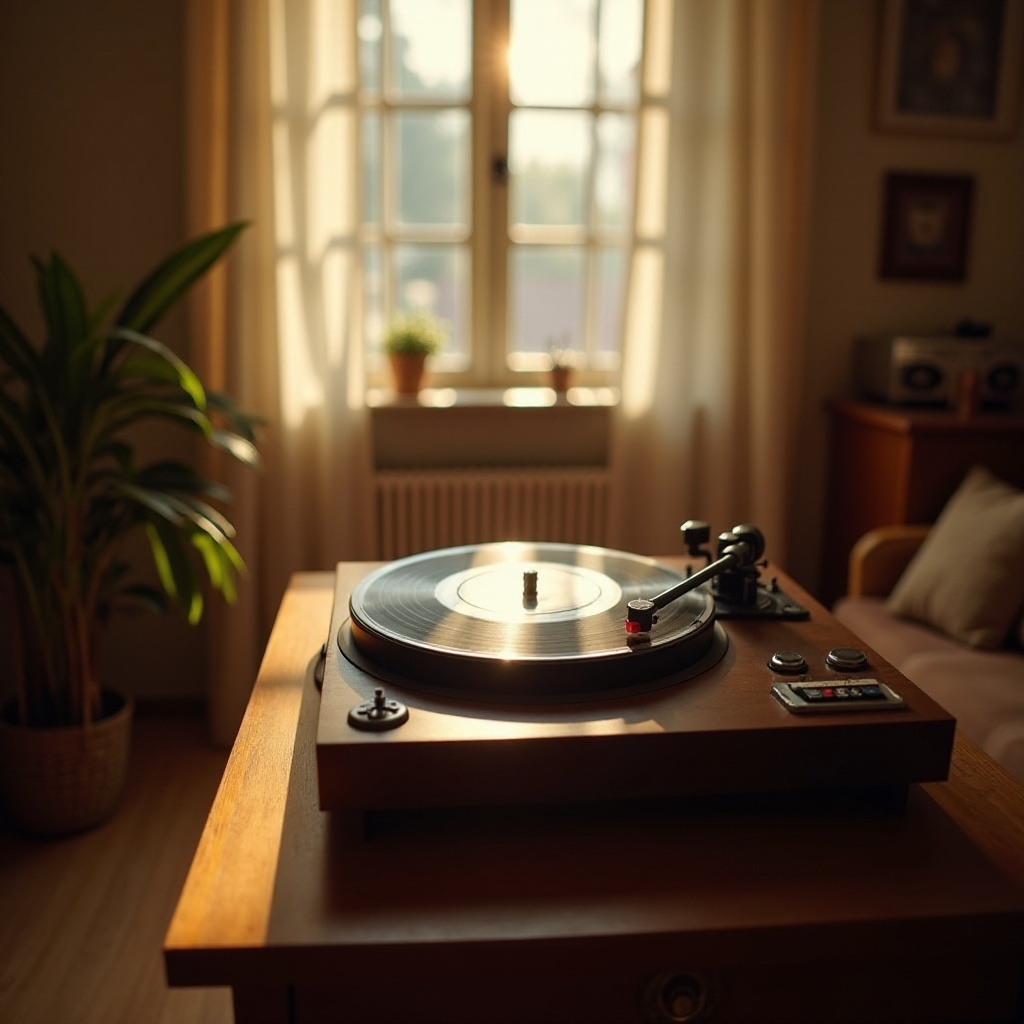
To produce the best sound, a record player relies on several vital components working in harmony.
The Turntable
The turntable sets the stage for your listening experience. Stability and consistent rotation speed are essential for sound accuracy. Opt for models with heavier platters that help maintain speed and minimize vibrations.
The Tonearm
A tonearm’s precision in guiding the needle through a record’s grooves can make or break your sound experience. Quality tonearms reduce friction and ensure consistent contact. Look for models featuring anti-skate mechanisms to prevent skips and distortion.
The Cartridge
The cartridge is crucial for translating grooves into audio signals. Superior cartridges deliver higher fidelity, so prioritize models with replaceable needles for easy maintenance and sound clarity.
The Importance of Drive Systems
The type of drive system a record player uses affects its operation and sound quality.
Belt Drive vs. Direct Drive
Belt drive players use an elastic band to reduce motor noise, ideal for home listening. Direct drive systems, preferred by DJs, offer faster start-up times. Both can deliver excellent sound, but choose based on your environment and needs.
Impact on Sound Quality
Sound quality varies between systems, with belt drives typically providing a quieter experience. Balance your personal sound preferences with the practicalities of your listening space when deciding.
Build Quality and Materials
The construction and materials of a record player greatly influence its performance and longevity.
Plinth Construction
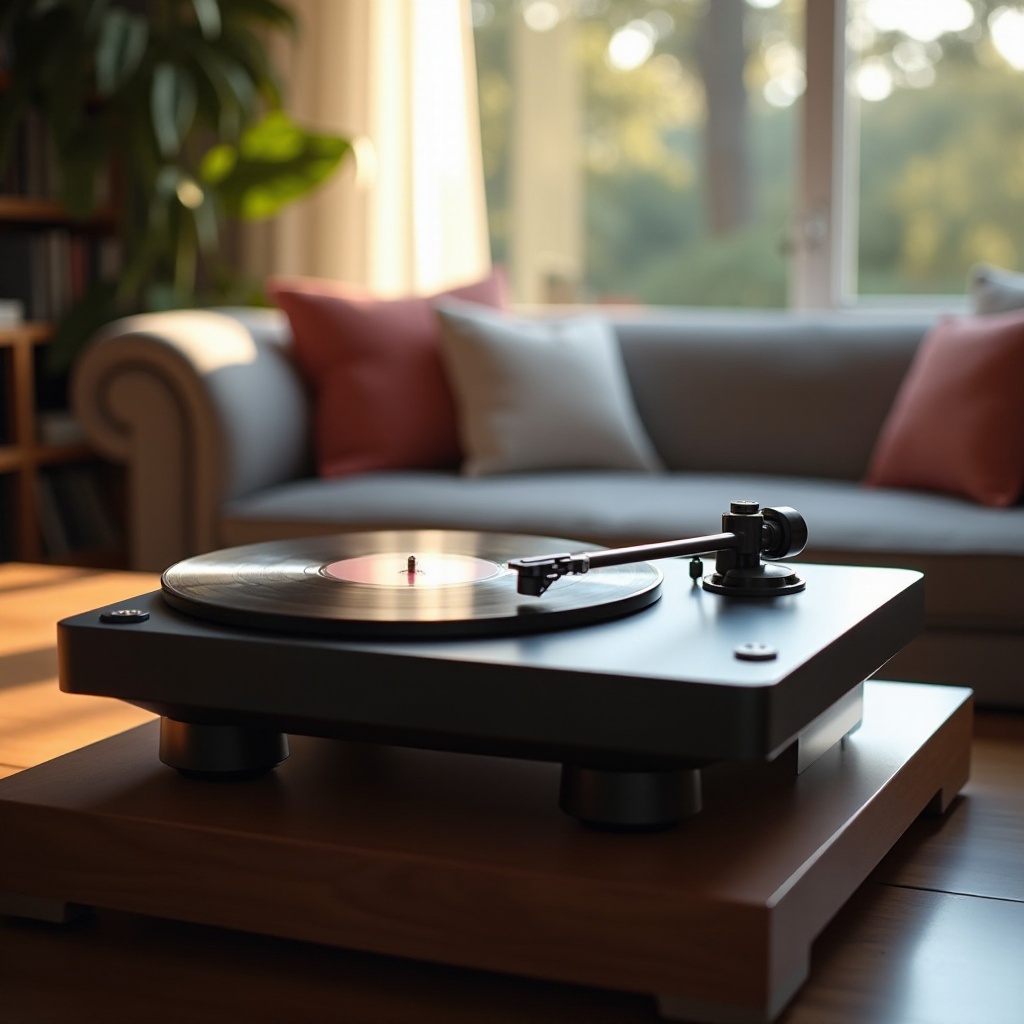
The plinth offers stability, reducing vibrations for smooth playback. Selecting materials like wood, acrylic, or metal affects sound dampening and aesthetic preferences.
Materials and Durability
Durable components, such as metal tonearms and robust bearings, are indicators of quality. These materials not only enhance durability but also contribute to better sound performance.
Essential Features for Performance
Modern record players come with features that optimize sound and protect your vinyl collection.
Anti-Skate Mechanisms
Anti-skate features balance the inward force on a tonearm, protecting records and ensuring smooth sound. A player equipped with this feature helps maintain sound quality over time.
Speed Adjustments
Playing various record types accurately is key to getting the full vinyl experience. A speed selector switch accommodates 33⅓, 45, and sometimes 78 RPM records, broadening your music library possibilities.
Evaluating Sound Quality
Achieving sound quality that does justice to the original recording requires attention to several factors.
The Role of the Stylus and Cartridge
High-quality styluses preserve both record and sound, matched with the right cartridge for optimal audio replication. A well-maintained stylus extends the lifetime of the record player.
Influence of the Pre-Amplifier
Pre-amplifiers boost audio signals to usable levels. Built-in models offer convenience, but separate units provide possibilities for sound customization, leading to potentially enhanced sound quality.
Modern Technological Enhancements
Technological integrations introduce new conveniences without sacrificing the analog soul of vinyl.
Bluetooth and USB Connectivity
Bluetooth allows for wireless connections to speakers or headphones. USB ports provide a way to digitize records, merging analog quality with digital convenience.
Built-in Pre-Amps
These offer streamlined setup for beginners, not requiring additional components. They maintain audio quality while supporting integration into modern audio systems.
Brand Reputation and Consumer Feedback
Researching reputable brands and analyzing customer reviews enhances decision-making.
Top Brands to Consider
Brands like Audio-Technica, Rega, and Pro-Ject offer robust selections. These brands are noted for their innovation and reliability, encompassing various budget levels and needs.
User Reviews
Reading user testimonials provides insights into product performance and reliability. Both positive and negative reviews offer valuable perspectives on the satisfaction and potential pitfalls of a purchase.
Conclusion
Combining quality components, thoughtful features, and durable construction defines what makes a record player good. Understanding these elements helps audiophiles select a device that meets their needs. Whether you cherish vintage aesthetics or seek modern functionalities, choosing the right player can ensure your vinyl collection sounds exquisite for generations.
Frequently Asked Questions
How do I maintain a record player?
Regular cleaning of the needle and dusting of records are crucial. Store your vinyl upright in a cool, dry environment for longevity.
Can modern record players play old vinyl records?
Yes, modern players usually support records from previous decades, often with speed adjustments for different vinyl formats.
What is the average lifespan of a quality record player?
With proper care, a high-quality record player can last for several decades, offering timeless music enjoyment.